Roman Cement
Roman cement: natural plaster inspiration
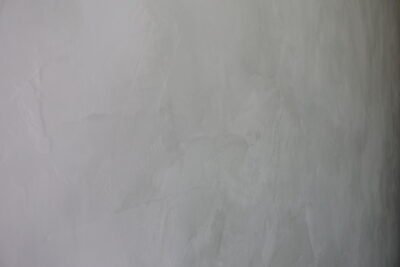
At Du-all Microcement, we take inspiration from traditional Roman cement to create natural, plaster-like finishes for contemporary interiors. Roman cement was originally made by combining lime with volcanic minerals, resulting in a highly durable, mineral surface that ages beautifully instead of deteriorating.
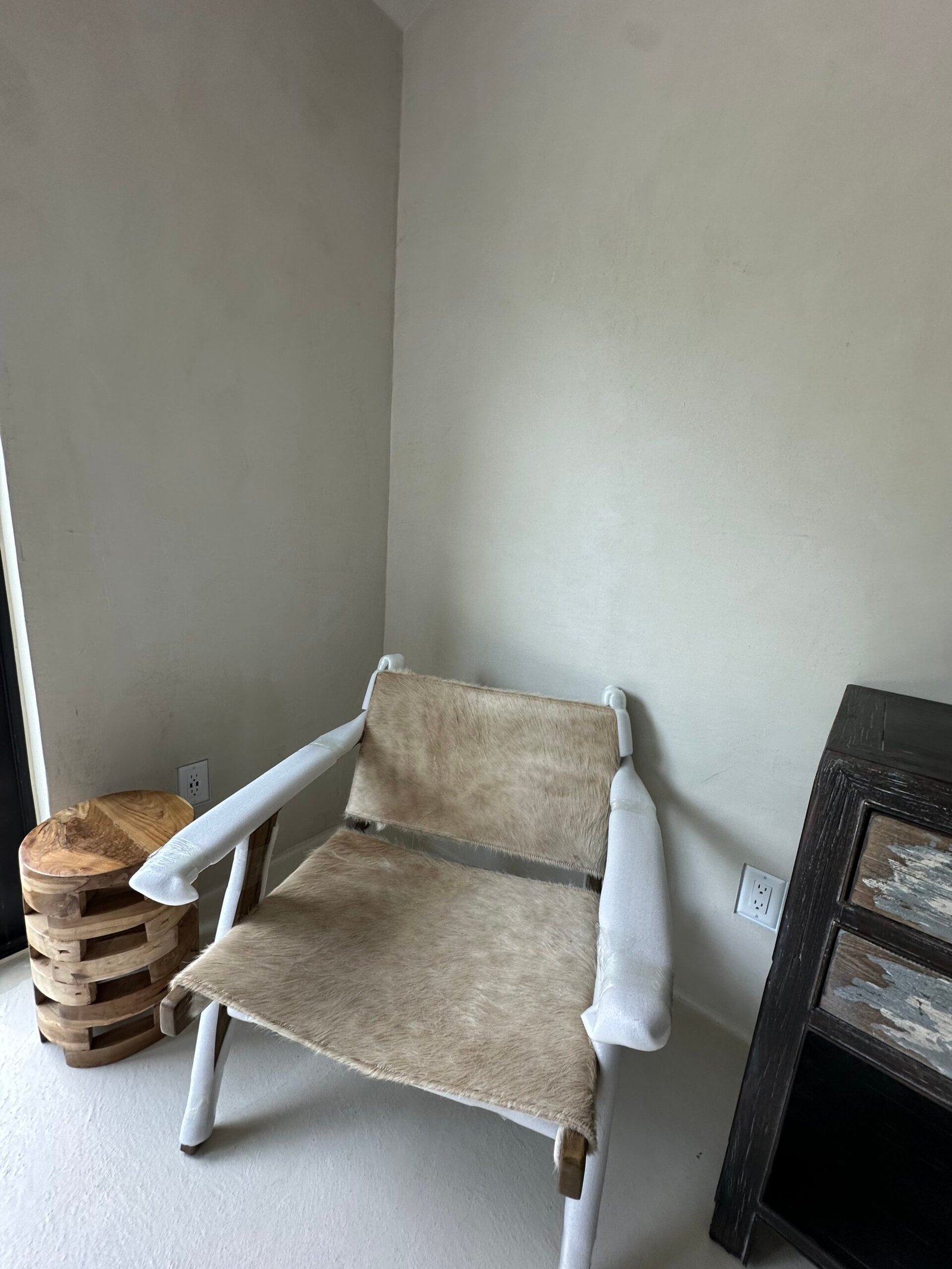
Today, we translate that same philosophy into seamless wall and floor finishes that feel soft to the touch, look like natural stone or lime plaster, and are ideal for modern, minimalist spaces. Our handcrafted applications in Miami are perfect for clients seeking a continuous, natural-looking coating with the depth and character of historic plasters, but adapted to current design and performance standards.
The Cement Roman
Roman/“Roman-style” cement is seen as more natural and famous mainly because of its ingredients, the way it’s made, and its history.
Why it is more “natural”
Traditional Roman concrete uses lime, volcanic ash (pozzolana), and natural aggregates, instead of many synthetic additives found in modern products.
It was produced at lower temperatures than Portland cement and often used more locally available, mineral raw materials, which makes it feel closer to stone or natural plaster.
In modern “natural Roman cement” or Roman-inspired plasters, the binder is still based on lime plus natural pozzolans, giving a mineral, breathable finish that behaves more like rock than plastic paint.
Why it is more famous
Ancient Roman structures (Pantheon, aqueducts, ports) are still standing after 2,000+ years, so architects and clients associate Roman cement with legendary durability.
Research in the last years showed Roman concrete can self-heal: unreacted lime and volcanic materials react with water inside microcracks and create new crystals that seal them, which has generated a lot of media attention.
Because of this mix of natural look, historic prestige, and long life, designers now use “Roman cement” and “Roman clay” as marketing terms for high-end, natural-looking plaster finishes in inter
Why it is more “natural”
Traditional Roman concrete uses lime, volcanic ash (pozzolana), and natural aggregates, instead of many synthetic additives found in modern products.
It was produced at lower temperatures than Portland cement and often used more locally available, mineral raw materials, which makes it feel closer to stone or natural plaster.
In modern “natural Roman cement” or Roman-inspired plasters, the binder is still based on lime plus natural pozzolans, giving a mineral, breathable finish that behaves more like rock than plastic paint.
Why it is more famous
Green-walled bathroom vanityAncient Roman structures (Pantheon, aqueducts, ports) are still standing after 2,000+ years, so architects and clients associate Roman cement with legendary durability.
Research in the last years showed Roman concrete can self-heal: unreacted lime and volcanic materials react with water inside microcracks and create new crystals that seal them, which has generated a lot of media attention.
Because of this mix of natural look, historic prestige, and long life, designers now use “Roman cement” and “Roman clay” as marketing terms for high-end, natural-looking plaster finishes in interiors.
For your clients, you could explain it simply as: “Roman-style cement is based on mineral, lime and stone-like components, inspired by ancient techniques, which gives a more natural, breathable and long-lasting plaster finish than many synthetic coatings.”
Would you like a 1–2 sentence version of this explanation to add under a product photo on your website?